We Ship Production Grade AI Systems in Months Weeks
Learn MoreAccelerating Your Data-Powered Future
We design, build, and optimize intelligent data solutions from AI-driven insights to automated pipelines so you can outpace competitors with smarter, faster decisions. Join leaders in finance, healthcare, and retail slashing costs 30-70% and boosting accuracy to 88%.
We Solve Your Biggest Data Challenges
At Agility, our tight-knit collective of data engineers, cloud architects, and AI specialists transforms raw chaos into strategic advantage. We partner to build adaptive solutions for evolving businesses just like we did for Healthcare Solutions Inc., cutting manual processing 70%.
Siloed Data?
Secure ETL pipelines handle petabytes with industry-leading precision. From raw ingestion to predictive models, we deliver clean, reliable data wherever you need it.
Slow Decisions?
Real-time BI dashboards in Power BI, Tableau, or custom web apps provide instant visibility for faster, smarter decision-making across your organization.
Rising Costs?
Infrastructure-as-code on AWS, Azure, and GCP optimizes your cloud environment for maximum efficiency and substantial cost reductions.
Mission, Vision & Team
Driving innovation and delivering transformative results for our clients worldwide
Our Mission
To empower organizations with end-to-end data solutions from secure ingestion and cleansing to advanced, automated analytics so every decision is backed by real insight.
Our Vision
To create real-world impact with our solutions, that could be AI, data or automation.
Our Team
A dynamic team averaging 24 years old, combining fresh perspectives with proven expertise. We move faster, iterate quicker, and ship solutions at the speed of modern business not bureaucracy.
Proven Implementation Framework
A structured approach combining technical expertise with agile methodology to deliver rapid, measurable results for enterprise clients.
Discovery & Assessment
Comprehensive technical evaluation of current systems, data infrastructure, and business objectives to develop targeted solutions aligned with strategic goals.
Solution Architecture
Design scalable, production-ready architecture leveraging proven technologies. Development of proof-of-concept demonstrating feasibility and expected outcomes.
Agile Implementation
Iterative development with continuous validation, ensuring alignment with requirements. Deployment to production environments with comprehensive testing protocols.
Optimization & Support
Continuous performance monitoring, optimization based on operational metrics, and ongoing technical support ensuring sustained value delivery.
Proven Results That Speak Volumes
Don't just take our word for it see what our clients have achieved with our data solutions
"I had the pleasure of working with Agility on Data Warehousing and Automation projects. They consistently deliver exceptional results and demonstrate deep technical expertise. Their innovative solutions and dedication to quality have greatly benefited our projects. I highly recommend Agility for any data-driven initiatives."

"Working with Agility was a game-changer. They didn't just meet deadlines they anticipated problems before they arose and solved them efficiently. Their ability to operate autonomously while maintaining exceptional quality made them an invaluable partner for our projects."

Our Solutions
Core Service Areas
Explore our primary solution categories, each designed to address specific enterprise challenges and drive measurable business outcomes.
Comprehensive solutions tailored to transform your business through automation, AI-powered forecasting, and data-driven insights.

Automation
See how we helped a leading insurance brokerage firm automate their statement processing, achieving a 90% reduction in manual effort and near real-time data integration with Microsoft Dynamics CRM (e.g., reducing manual processing time by up to 70%).
Learn More
AI & Analytics
Leverage sophisticated AI models to predict trends, customer behavior, and market dynamics. Our predictive analytics solutions help you make data-driven decisions and stay ahead of the competition.
Learn More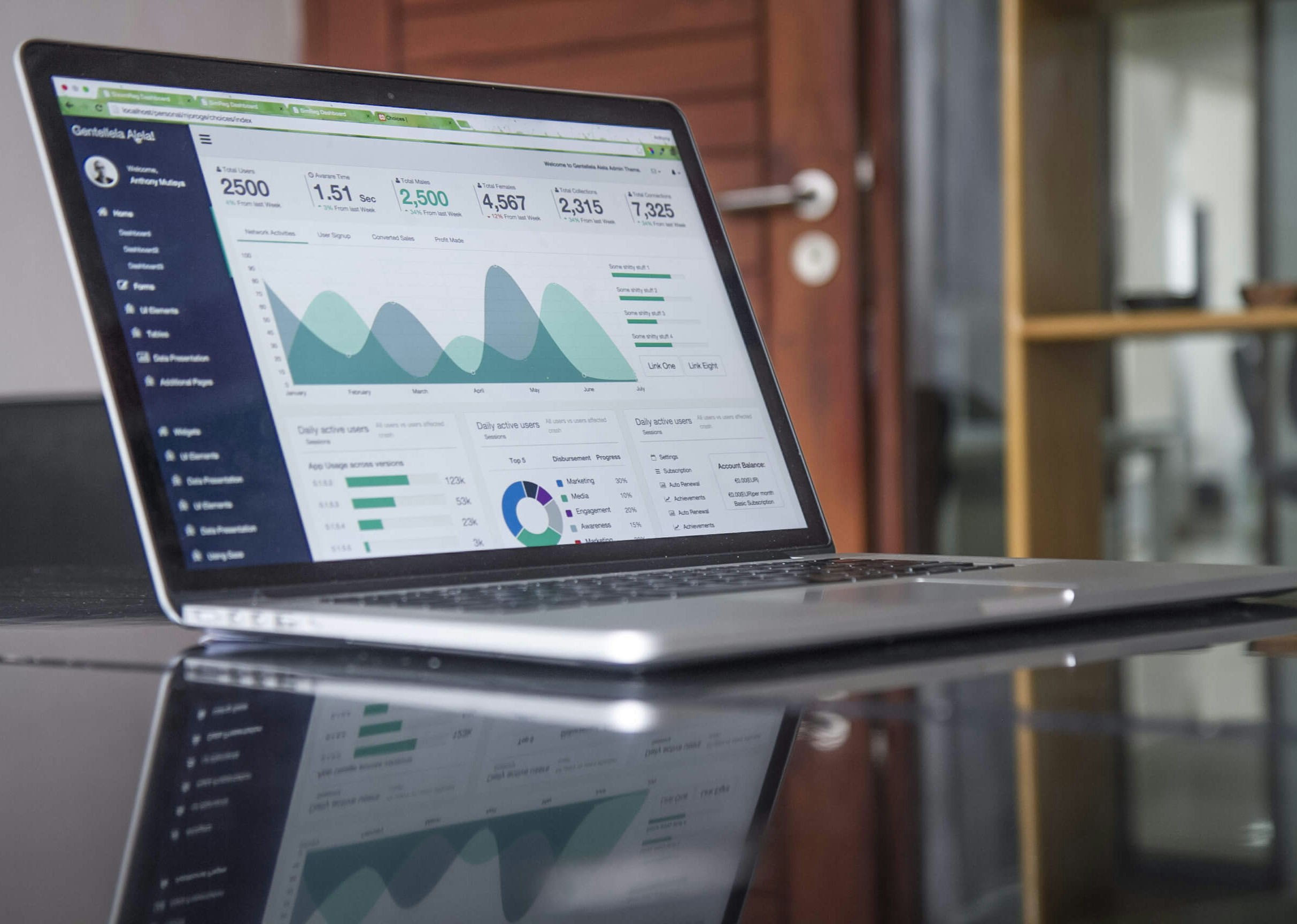
Data Engineering
See how we transformed a UK retail pharmacy's operations through comprehensive data engineering and Power BI solutions. Our case study showcases a 60% reduction in manual effort and real-time operational visibility across multiple branches.
Learn More
Web & Mobile Development
Custom web and mobile applications built with modern frameworks. From responsive websites to native mobile apps, we deliver seamless user experiences across all platforms.
Learn MoreAI-Led Solutions Across Industries
Delivering transformative AI and automation solutions tailored to your industry's unique challenges.
Healthcare
Revolutionize patient care with AI-driven diagnostics and workflow optimization.
Retail
Transform customer experiences with predictive analytics and smart inventory management.
Insurance
Streamline claims processing and enhance risk assessment with intelligent automation.
Fintech
Innovate financial services with AI-powered fraud detection and personalized banking.
Manufacturing
Optimize production and maintenance with IoT integration and predictive analytics.
Logistics
Enhance supply chain efficiency with real-time tracking and route optimization.
Real Estate
Transform property management with smart building solutions and predictive maintenance.
Professional Services
Elevate service delivery with intelligent workflow automation and resource optimization.
Who We Are & What We Do
Agility is a strategic B2B AI consultancy and development firm, specializing in the convergence of advanced data engineering, predictive analytics, and transformative digital solutions. We empower enterprises to achieve sustainable growth and competitive advantage by leveraging cutting-edge AI, delivering future-ready solutions that drive efficiency, innovation, and measurable business outcomes.
Forecasting & Automation
Leverage sophisticated predictive models to stay ahead of market demands and automate critical workflows for maximum efficiency.
Digital Transformation
From legacy modernization to cloud migration, we guide organizations through a seamless, AI-driven shift toward greater agility and innovation.
AI Strategy & Implementation
We partner with you to design, develop, and deploy end-to-end AI solutions that align with your unique business goals.
Data-Driven Insights
Our data engineering and advanced analytics capabilities ensure you extract actionable intelligence from every data touchpoint.
At Agility, our mission is to empower businesses to adapt, scale, and thrive in today's data-centric world one AI-driven solution at a time.
Why Choose Agility.AI Technologies?
Partner with us to transform your business through innovative AI solutions
Deep AI Expertise
Years of hands-on experience in complex AI and data engineering projects.
Tailored Solutions
Customized, scalable services designed specifically to meet your unique business challenges.
Innovative Thinking
Leveraging the latest technologies to develop groundbreaking strategies.
Collaborative Partnership
Working side-by-side with our clients to ensure mutual success.
Success Stories
See how Agility.AI Technologies has helped businesses transform their operations using cutting-edge AI solutions.

Retail Analytics Revolution
Challenge: A leading retailer needed to optimize inventory and predict customer behavior.
Solution: Implemented AI-driven analytics platform with real-time insights.
Result: Achieved a 20% increase in sales of high-demand items and a 15% reduction in inventory holding costs within 6 months, significantly improving capital efficiency and market responsiveness.

Automated Operations Excellence
Challenge: Manual back-office processes causing delays and errors.
Solution: Deployed intelligent automation suite for core operations.
Result: Delivered a 35% reduction in operational costs and a 60% acceleration in processing time for core back-office functions, leading to substantial annual savings and enhanced service delivery.

Healthcare Scheduling Optimization
Challenge: Inefficient patient scheduling leading to long wait times.
Solution: Developed predictive modeling system for appointment scheduling.
Result: Successfully decreased patient wait times by an average of 40% and significantly improved patient satisfaction scores by 25%, optimizing resource allocation and enhancing the patient experience.
Fresh From Agility

Featured Insights & Thought Leadership
Stay ahead with our latest insights on AI, automation, and digital transformation

From Handloom to AI: Is Your Textile Business Ready for the Intelligent Automation Revolution?
Discover how textile businesses can achieve rapid ROI with intelligent automation—faster deployment, streamlined processes, and accelerated timelines for agile growth.

Can Google's AI-Enabled Pointer Truly Revolutionize Your Daily Computing Experience?
Discover how Google's AI-enabled pointer, powered by Gemini, delivers instant results and real-time computing solutions for faster, more agile workflows.

Are AI Startups Really Worth Half of the US Venture Capital Market?
AI startups now command half of US VC funding, but is rapid ROI worth the hype? Discover how agile AI firms outpace corporate giants with fast implementation and accelerated timelines.